Window Cleaning Kit: A 2026 Buyer’s Guide for UK Professionals
Table of Contents
- What Is a Window Cleaning Kit and Why It Matters
- Professional Window Cleaning Equipment: What Sets It Apart
- Choosing the Best Window Squeegee UK: Rubber Blades and Channels
- Water Fed Pole Kit Systems: Reach and Wash Technology
- Microfibre Window Cloth and Polishing Tools for Streak-Free Results
- Choosing the Right Pole Length and Interchangeable Heads
- Storage, Organisation and Maintenance of Your Window Cleaning Kit
- Step-by-Step Technique Guide: Getting Streak-Free Results
Last Updated: August 1, 2026
What Is a Window Cleaning Kit and Why It Matters
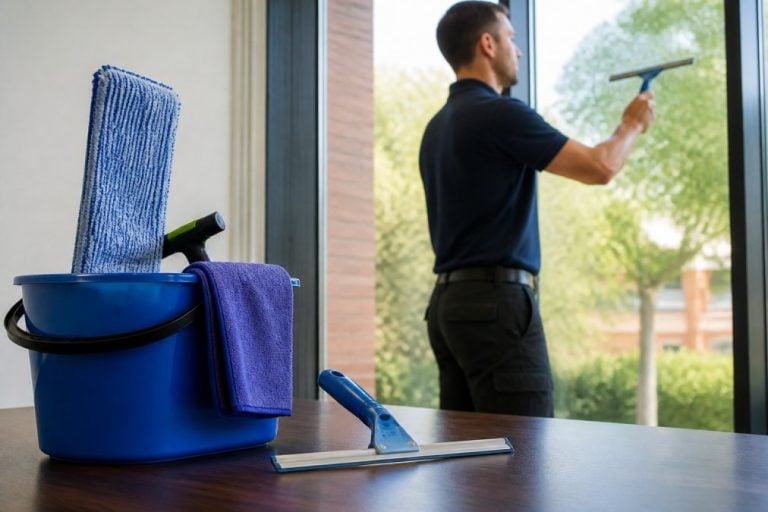
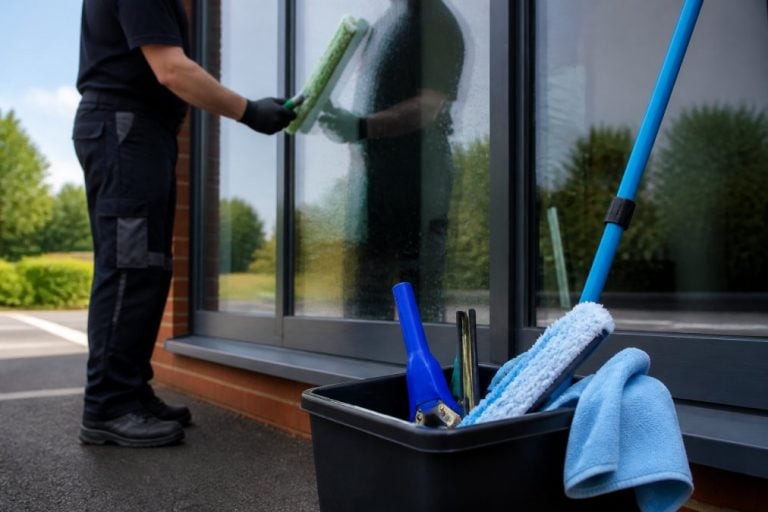
A window cleaning kit is a collection of professional tools designed to clean glass surfaces efficiently, safely and streak-free. Whether you’re maintaining residential properties, commercial buildings, or managing a professional cleaning operation, choosing the right kit determines both the quality of your results and the time spent on each job.
Window cleaning requirements vary dramatically depending on property type, window height, and cleaning frequency. A domestic homeowner needs different equipment from a facilities manager responsible for multi-storey office buildings. Traditional bucket-and-squeegee systems remain popular for ground-level work, whilst water-fed pole technology now dominates professional operations.
Essential Components of a Professional Window Cleaning Kit
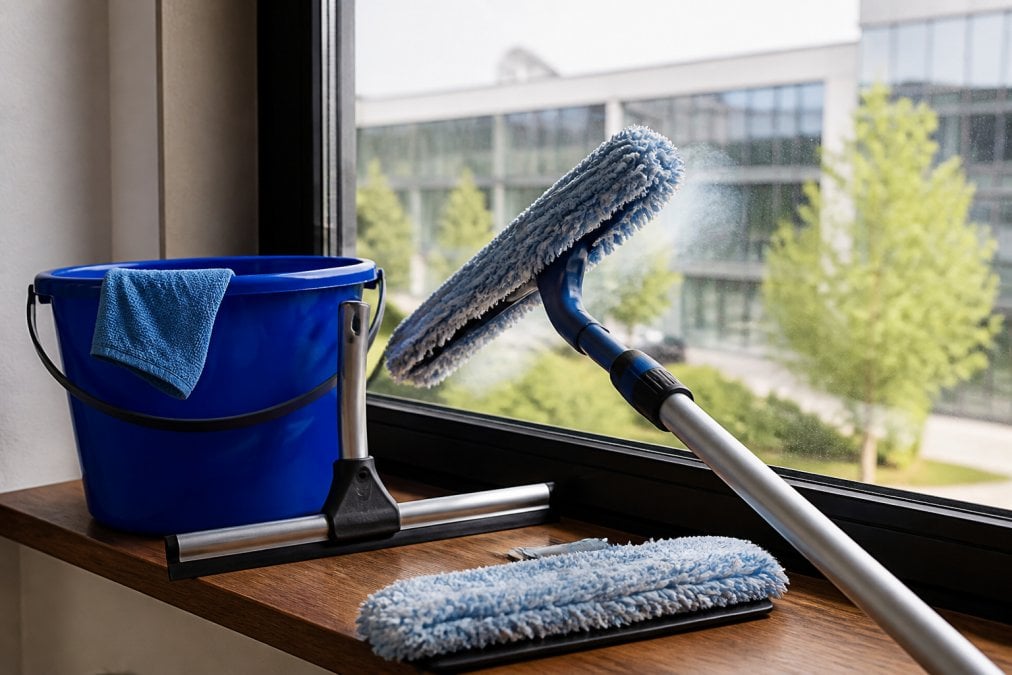
Every effective window cleaning kit contains core components that work together as a system. A squeegee forms the foundation, with replaceable rubber channels ranging from 10 to 24 inches wide. The quality of the rubber blade directly affects your finish, with professional squeegees maintaining a precise 45-degree angle for streak-free results.
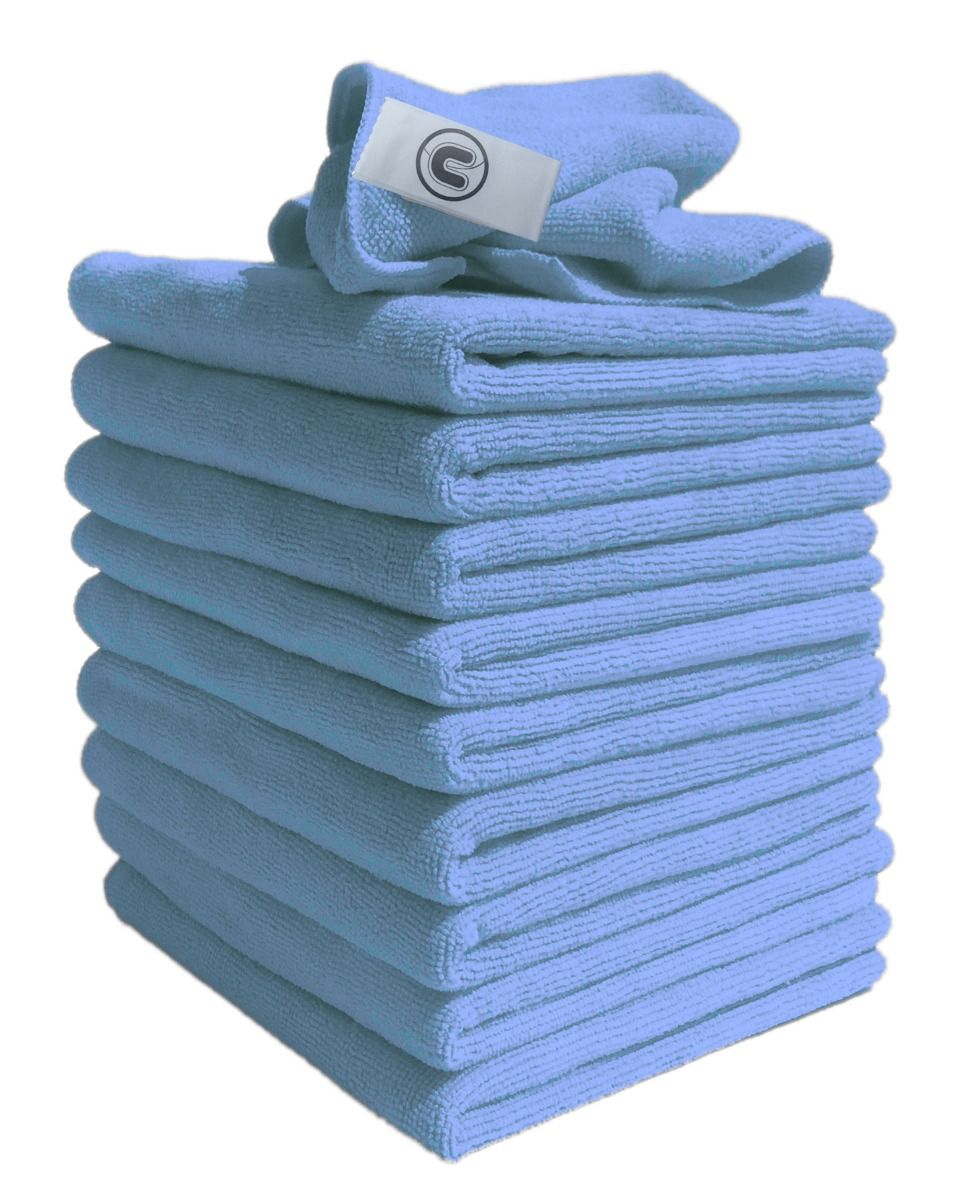
Microfibre cloths provide the final polish, absorbing moisture far more effectively than cotton alternatives. A proper kit includes both microfibre cloths for final polishing and absorbent cloths for initial water removal.
The water delivery system varies by kit type. Traditional kits use a bucket filled with cleaning solution, whilst professional water-fed pole systems use deionising filters to purify water, eliminating mineral deposits that cause streaks. A t-bar or washer head applies cleaning solution evenly across the glass surface before the squeegee removes it.
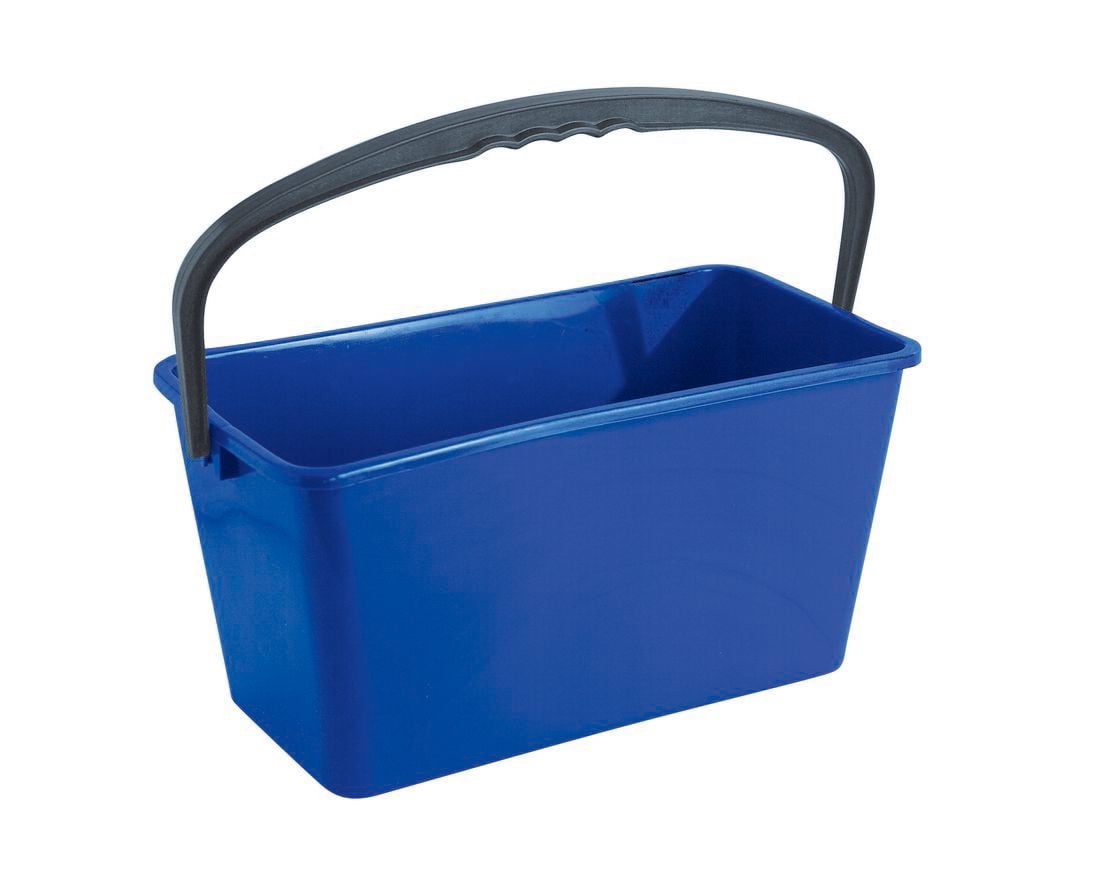
Storage equipment extends equipment lifespan dramatically. Squeegee blades dry faster and last longer when stored vertically, and microfibre cloths maintain absorbency when kept dry and separate from other materials.
| Component | Purpose | Typical Width/Size | Replacement Frequency |
|---|---|---|---|
| Squeegee | Remove water and solution | 10-24 inches | Rubber blade yearly |
| Microfibre cloth | Final polish and drying | 40×40 cm standard | Every 2-3 years |
| T-bar or washer | Apply cleaning solution | 12-24 inches | As needed |
| Bucket | Hold cleaning solution | 10-20 litres | 3-5 years |
| Water-fed pole | Deliver pure water | 20-60 feet extended | Hose annually |
| Deionising cartridge | Purify water | Standard size | Every 2,000-3,000 gallons |
Traditional vs. Pure Water Systems Explained
Traditional window cleaning kits use tap water mixed with cleaning detergent in a bucket. You apply the solution with a t-bar, then squeegee the glass dry. This method works well for ground-level residential cleaning and requires minimal equipment investment.
However, tap water contains dissolved minerals that leave visible deposits on glass as water evaporates. On sunny days or when cleaning tall windows where water dries quickly, these mineral spots become obvious.
Pure water systems use deionising filters to remove minerals from tap water before application. The water dries spotlessly, even in direct sunlight. Professional window cleaners favour pure water systems because they eliminate callbacks and complaints about streaky glass.
Water-fed pole systems deliver pure water through a hose to a brush at the pole tip. The operator works from ground level, reaching windows up to 60 feet high without ladders. This improves safety dramatically, reduces physical strain, and allows one person to clean more windows per day than traditional methods.
The trade-off is upfront cost. A basic water-fed pole kit with deionising filtration costs significantly more than traditional equipment. Professional cleaners recover this investment quickly through faster work rates and premium pricing for ladder-free cleaning.
If you’re cleaning windows above 15 feet regularly, a water-fed pole system pays for itself within weeks through time savings alone. For ground-level residential work, traditional systems remain cost-effective.
Professional Window Cleaning Equipment: What Sets It Apart
Professional-grade equipment differs from domestic alternatives in durability, precision, ergonomic design, and consistency of results. Domestic kits typically use plastic components and thinner rubber blades designed for occasional use, failing under the demands of daily professional use.
Professional equipment prioritises durability. Commercial squeegees feature thicker, higher-quality rubber that maintains its edge after hundreds of applications. Professional water-fed poles use lightweight aluminium construction that remains rigid when fully extended, with reinforced stainless steel hose connections rather than plastic.
A professional squeegee lasts 2-3 years with proper care, whilst domestic alternatives require replacement every few months. Professional microfibre cloths withstand 200+ wash cycles; budget alternatives deteriorate after 30-50 washes.
Professional kits include interchangeable heads and components. You can swap squeegee widths, adjust pole length, and change brush types without replacing the entire system. This modularity means your kit grows with your business rather than becoming obsolete.
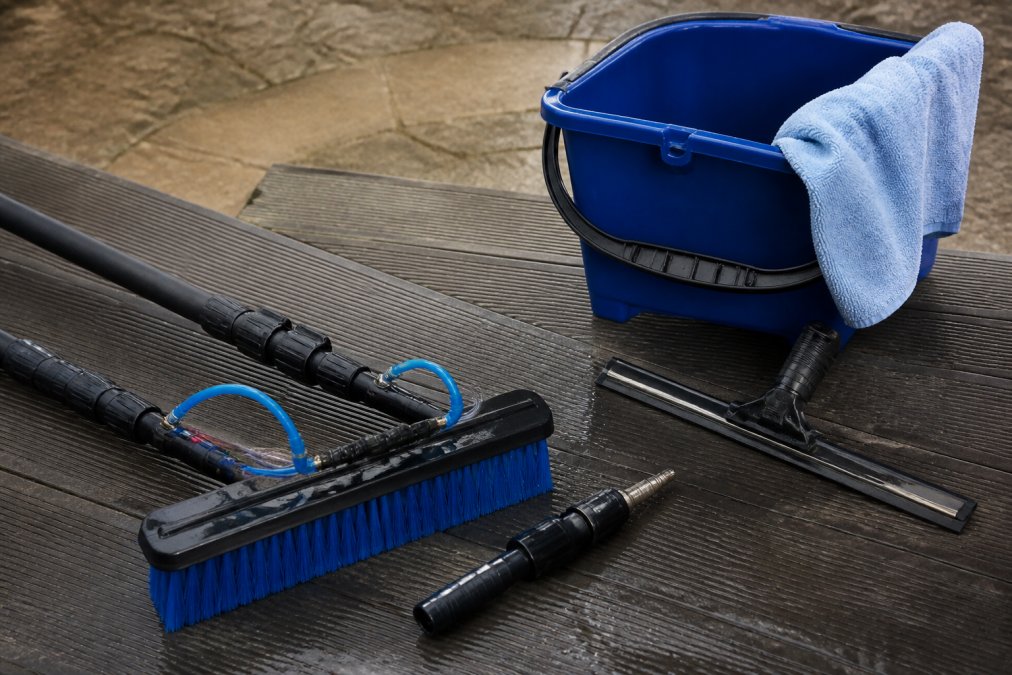
Discounted Cleaning Supplies stocks professional-grade equipment from manufacturers including Robert Scott, Exel, and our own Abbey brand, designed for commercial use and delivering the durability that professional cleaners depend on.
Choosing the Best Window Squeegee UK: Rubber Blades and Channels
The squeegee is your most critical tool. A poor squeegee leaves streaks and wastes time. The right squeegee removes water in a single pass and leaves glass completely dry.
Squeegee quality depends on rubber blade composition, channel precision, and handle design. Professional rubber blades are typically natural rubber or synthetic blends that maintain flexibility across temperature ranges. Cheap rubber becomes brittle in cold weather and softens excessively in heat, losing its edge.
The channel width must match your window size. A 10-inch squeegee suits small bathroom windows and detailed work. A 24-inch squeegee covers large commercial windows efficiently. Most professionals carry two squeegees, an 18-inch for standard windows and a 12-inch for detailed work.
Blade thickness matters significantly. Thicker blades (3-4 mm) maintain their edge longer and resist warping when wet. Thin blades (1-2 mm) flex excessively, creating inconsistent contact with the glass and leaving water trails.
Ergonomic handles with non-slip grips reduce hand strain during extended use. Professional handles often feature adjustable angles, allowing comfortable work at different heights without twisting your wrist.
Replacement rubber is essential to stock. Rather than replacing the entire squeegee, you can swap the rubber channel, extending equipment lifespan and reducing waste.
Always test a squeegee on a test window before committing to a full kit. The feel of the blade, handle balance, and how water releases from the channel vary between brands, and personal preference matters as much as specifications.
Water Fed Pole Kit Systems: Reach and Wash Technology
Water-fed pole systems revolutionised professional window cleaning by eliminating ladders, increasing safety, and allowing one person to clean windows 40-60 feet high from ground level.
These systems pump pure water through a lightweight telescopic pole to a brush or washer head at the pole tip. The water passes through deionising filters to remove minerals, emerging spotlessly pure. Because the water is mineral-free, it dries without leaving spots or streaks.
The telescopic pole extends from 20 to 60 feet depending on model. Lightweight aluminium construction keeps the fully extended pole manageable, allowing professionals to work comfortably for hours without excessive fatigue.
Deionising cartridges remove calcium and magnesium ions from tap water, producing water with zero total dissolved solids. A standard cartridge handles 2,000-3,000 gallons before saturation. For frequent users, this is a minor ongoing expense compared to the time saved and quality improvement.
Water-fed pole systems require either a static tank system for ground-based operations or a vehicle-mounted system for mobile cleaning. Tank systems hold 200-500 litres and are refilled between jobs.
The learning curve is steeper than traditional squeegee work. Proper technique involves gentle agitation rather than aggressive scrubbing. Most professionals master the technique within a few days of practice.
Microfibre Window Cloth and Polishing Tools for Streak-Free Results
The final polish determines whether your window cleaning job looks professional or rushed. Microfibre cloths have largely replaced cotton alternatives because they absorb moisture faster and leave zero streaks.
Microfibre is engineered from ultra-fine synthetic fibres, typically polyester and polyamide blended together. The fibres are 1/100th the diameter of human hair, creating an enormous surface area that attracts and holds water molecules. A single microfibre cloth can absorb up to seven times its own weight in liquid.
Cotton cloths have significant drawbacks. Cotton fibres are thicker and less absorbent, requiring more pressure and multiple passes to dry glass completely. Cotton also sheds fibres that can streak or cloud the finish.
The weight and weave of microfibre cloth matter. Lightweight cloths (200-300 gsm) dry quickly and work well for final polishing. Heavier cloths (400-500 gsm) absorb more water and suit initial drying stages. Many professionals use both weights in sequence.
T-bars and scrim cloth heads attach to poles for washing and scrubbing. Detachable brush heads allow you to customise your cleaning approach. Soft brushes suit delicate frames and skylights. Stiffer brushes tackle heavily soiled glass or conservatory panels.
Discounted Cleaning Supplies stocks professional microfibre cloths in multiple sizes and weights, including the Blue Professional Microfibre Cleaning Cloths, engineered for professional use and withstanding repeated washing without degrading.
Choosing the Right Pole Length and Interchangeable Heads
Selecting the correct pole length depends on the typical window heights you’ll encounter. A 20-foot pole handles single-storey residential properties comfortably. A 30-foot pole reaches second-storey windows and low commercial buildings. A 40-50-foot pole manages three-storey buildings and conservatory roofs. Professional cleaners often carry multiple poles rather than struggling with one oversized pole.
Telescopic poles extend in sections, typically 4-6 segments that slide together. Each segment locks with a twist collar or lever to prevent accidental collapse. Quality poles feature smooth-action locking mechanisms and minimal wobble when fully extended.
Lightweight aluminium construction is essential. A 50-foot pole made from steel weighs 15-20 kg when fully extended, impossible to work with for extended periods. Aluminium poles weigh 3-5 kg fully extended, allowing comfortable all-day use.
Interchangeable heads transform a single pole into multiple tools. A squeegee head removes water efficiently. A brush head applies cleaning solution and agitates dirt. A washer head combines both functions. Being able to swap heads in seconds means you work faster and carry less equipment.
Pivot heads allow you to angle the working surface without rotating the entire pole. This is invaluable when cleaning window frames at angles or reaching into corners.
High-level access without ladders is the primary advantage of water-fed pole systems. Working from ground level improves safety dramatically, eliminates the risk of falls, avoids ladder placement problems on uneven ground, and allows cleaning during wet weather when ladder work becomes dangerous.
Extending a pole to maximum length in windy conditions risks loss of control. Always work within the pole length where you can maintain comfortable control, even if it means making additional passes. Safety always takes priority over speed.
Storage, Organisation and Maintenance of Your Window Cleaning Kit
Proper storage extends equipment lifespan and keeps your kit organised for efficient work. Squeegee blades must dry completely before storage. Storing a wet squeegee in a closed container allows mildew to grow on the rubber, and the blade warps as moisture unevenly evaporates. The ideal storage method is vertical, hanging the squeegee on a wall or standing it upright in a bucket so air circulates around the blade.
Microfibre cloths require separate storage from other materials. Cotton lint and debris cling to microfibre’s electrostatic surface, reducing absorbency. Store microfibre cloths in a sealed bag or container away from cotton items.
Poles store best horizontally on a wall rack or lying flat on a shelf. Storing poles vertically causes the lower sections to compress under their own weight, making extension difficult. Ensure storage areas are dry, as aluminium poles can corrode if exposed to constant moisture.
Deionising cartridges must be kept dry and cool. Replace cartridges on schedule rather than waiting until water quality visibly declines, as mineral saturation happens gradually.
Buckets and tanks need regular cleaning. Mineral deposits build up inside tanks, reducing filter efficiency. Empty tanks completely after each use, rinse with clean water, and allow them to dry before refilling.
Caring for squeegee blades involves regular inspection and replacement. A blade that’s lost its edge leaves water trails and requires multiple passes. Replace the rubber channel as soon as you notice streaking.
Microfibre cloths last longer when washed properly. Use warm water with mild detergent, avoid fabric softener, and air-dry rather than machine-drying. Well-maintained microfibre cloths perform effectively for 2-3 years.
Step-by-Step Technique Guide: Getting Streak-Free Results
Proper technique determines whether your window cleaning kit delivers professional results or leaves streaks and water spots.
Surface Preparation comes first. Inspect the glass for heavy soiling, bird droppings, or tree sap. Pre-rinse heavily soiled windows with water to remove loose dirt before applying cleaning solution. Wet the entire window surface with clean water to prevent cleaning solution from drying too quickly.
Detergent Application follows. Apply cleaning solution evenly across the entire glass surface using a t-bar, brush, or washer head. Allow the solution to sit for 10-20 seconds so the detergent breaks down grease and loosens dirt.
Squeegee Technique determines the final finish. Position the squeegee at the top of the window at a 45-degree angle. Press firmly enough to maintain contact with the glass, but not so hard that you bend the blade. Draw the squeegee downward in a smooth, continuous stroke, maintaining even pressure throughout. At the bottom, lift the squeegee away from the glass rather than dragging it sideways. Wipe the squeegee blade on a dry cloth between each stroke to remove accumulated water.
Final Polishing removes any remaining moisture. Use a dry microfibre cloth to polish the glass edges and any areas where water pooled. Pay particular attention to the bottom edge and corners where water naturally collects.
On large windows, work in sections. Divide the window into thirds vertically, clean and squeegee each section completely, then move to the next section. Technique improves with practice, and speed comes from muscle memory and understanding how your tools respond, not from aggressive pressure or hurried movements.
| Step | Duration | Key Points |
|---|---|---|
| Surface inspection | 30 seconds | Check for heavy soiling, pre-rinse if needed |
| Pre-rinse with water | 20 seconds | Wet entire surface, remove loose dirt |
| Apply detergent | 30 seconds | Even coverage, avoid excessive dripping |
| Dwell time | 10-20 seconds | Allow solution to break down grease |
| Squeegee strokes | 60 seconds | Smooth downward strokes, wipe blade between passes |
| Final polish | 20 seconds | Dry cloth for edges and corners |
| Total per window | 3-4 minutes | Varies by window size and soiling level |
Selecting the right window cleaning kit transforms how efficiently and safely you maintain glass surfaces. Whether you choose a traditional bucket-and-squeegee system for ground-level residential work or invest in a water-fed pole system for commercial properties, the quality of your equipment directly affects your results and your earning potential.
Discounted Cleaning Supplies stocks professional-grade window cleaning equipment from trusted manufacturers, including our own Abbey brand, alongside Robert Scott and Exel. Our team can help you choose equipment suited to your specific needs, whether you’re cleaning a handful of residential properties or managing a fleet of commercial contracts. With over 8,000 cleaning products in stock and fast UK delivery available on all orders, Discounted Cleaning Supplies is your partner for professional-quality equipment at competitive pricing.
Recommended Products
Discounted Cleaning Supplies Window Cleaning Bucket 12 Litre Capacity, A durable ABS plastic bucket with ergonomic handle, ideal for traditional window cleaning kits. The rectangular design holds cleaning solution and tools efficiently, and the 12-litre capacity suits most residential and small commercial jobs.
Blue Professional Microfibre Cleaning Cloths 40×40 cm, 10 Pack, Professional-grade microfibre cloths engineered for streak-free polishing. These cloths absorb seven times their weight in moisture and withstand 200+ wash cycles, making them an economical choice for professional cleaners.
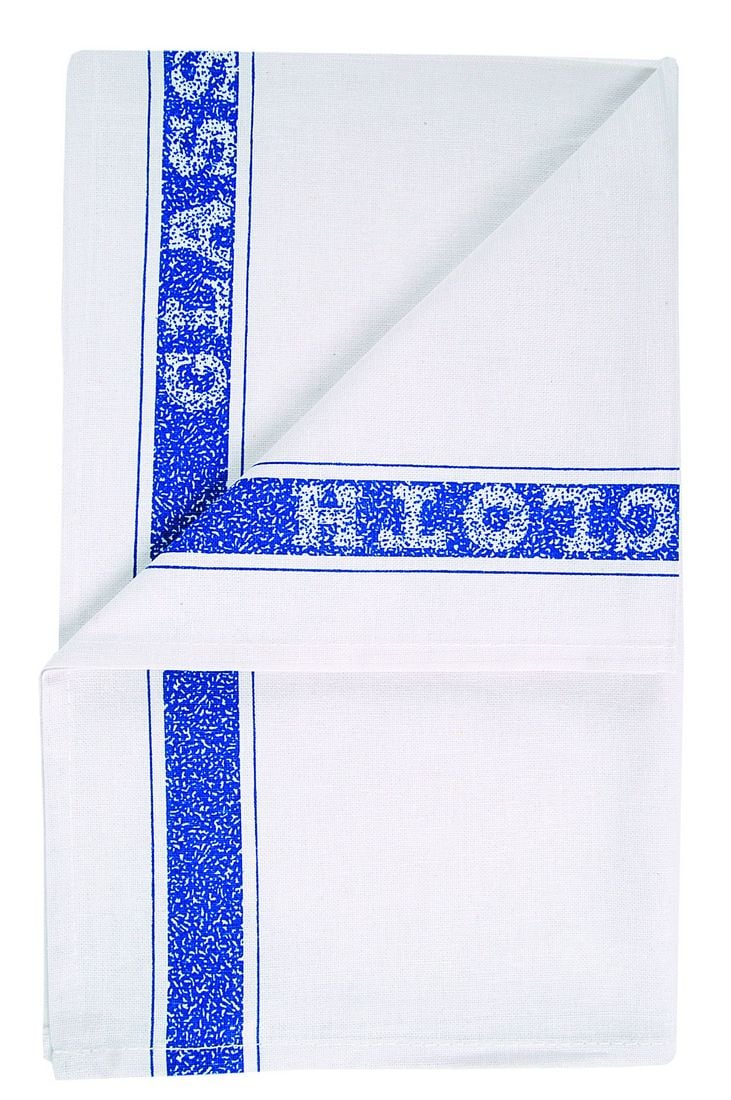
Robert Scott Cotton Glass Cloth, Pack of 10, A traditional alternative for those preferring natural cotton materials. These cloths are machine-washable and suitable for all catering and cleaning applications, offering a proven option for final polishing.
Frequently Asked Questions
What should a good window cleaning kit include?
A complete window cleaning kit typically includes a squeegee with replaceable rubber blade, microfibre cloths or cotton glass cloths, a bucket, a water-fed pole or telescopic handle, a detachable brush head, and either traditional detergent or a pure water system with deionising filter. Professional kits prioritise lightweight aluminium construction, ergonomic grips and interchangeable heads for versatility. The exact components depend on whether you're cleaning domestic windows or tackling high-level commercial work such as conservatories or multi-storey buildings.
What is the difference between traditional and pure water window cleaning kits?
Traditional kits use detergent-based solutions with a squeegee and cloth for drying, requiring manual effort and potentially leaving streaks. Pure water systems use deionised water delivered through a water-fed pole, eliminating the need for chemical detergents and reducing streaking. Pure water systems offer better environmental benefits and faster drying times, though they require investment in filtration equipment. Traditional kits are more affordable upfront but demand more technique and physical labour, particularly for high-level access work.
How do I choose the right squeegee size for my windows?
Squeegee width typically ranges from 25cm to 55cm. Smaller squeegees (25-35cm) work well for domestic windows and intricate frames, whilst larger ones (45-55cm) are more efficient for commercial properties and conservatories. Consider your window sizes and the type of work you'll do most often. The rubber blade should be firm enough to remove water cleanly without leaving streaks, and replacement rubbers should be readily available. Test different widths if possible, as personal preference and technique play a significant role in achieving streak-free results.
What do professional window cleaners use in the UK?
Professional cleaners typically use water-fed pole systems with pure water technology, microfibre cloths, and professional-grade squeegees with replaceable rubber blades. Many favour lightweight aluminium telescopic poles for reach and wash capability, allowing ladderless cleaning at height. High-quality microfibre cloths deliver streak-free finishes, whilst pivot heads and interchangeable brush attachments increase versatility. Professional kits prioritise durability, ergonomic design and efficiency, with storage solutions that keep equipment organised and accessible on job sites.
Are water-fed poles included in window cleaning kits?
Not all window cleaning kits include water-fed poles, many basic kits contain only hand-held tools like squeegees, cloths and buckets. Professional or premium kits often feature telescopic water-fed poles with reach-and-wash technology, deionising filters and pure water systems. If you plan to clean high-level windows such as conservatories or multi-storey buildings, a water-fed pole kit is essential for safety and efficiency. Starter kits may be hand-tool focused, allowing you to upgrade to pole systems later as your business grows.
This article was written using GrandRanker