Window Cleaning Kit: What You Need for Streak-Free Results
Table of Contents
- What Makes a Complete Window Cleaning Kit
- Professional Window Cleaning Equipment for Domestic and Commercial Use
- Best Window Squeegee UK: Choosing the Right Blade
- Water Fed Pole Window Cleaning Kit: When to Use This Method
- Window Cleaning Solution UK: Selecting the Right Chemical
- Comparing Window Cleaning Kit Types: Manual vs Powered
- Microfibre Cloths and Drying Materials: The Finishing Touch
- Choosing the Right Window Cleaning Kit for Your Needs
Window Cleaning Kit: What You Need for Streak-Free Results
Latest Update: August 1, 2026
A professional window cleaning kit transforms what could be a frustrating, time-consuming task into a straightforward process that delivers genuinely streak-free results. Whether you’re maintaining a modest terraced house or managing a large commercial property, the right equipment makes the difference between mediocre outcomes and professional-standard clarity. At Discounted Cleaning Supplies, we’ve helped thousands of customers select the correct window cleaning kit for their specific needs, and the pattern is always clear: the quality of your tools determines the quality of your results.
What Makes a Complete Window Cleaning Kit
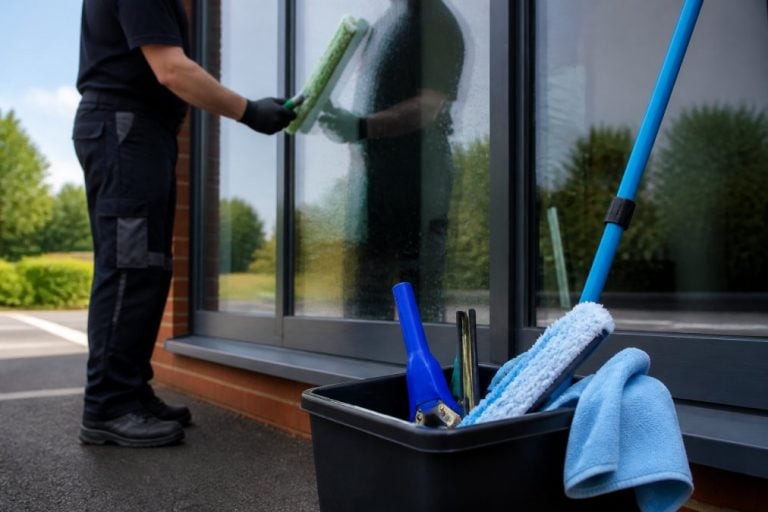
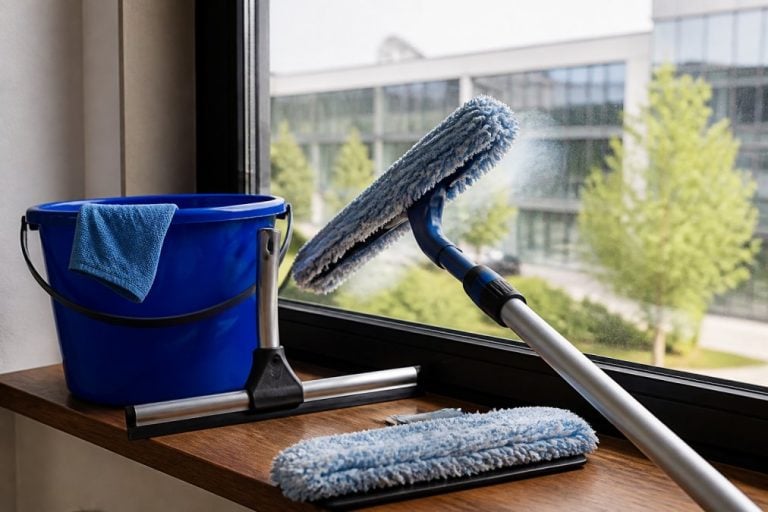
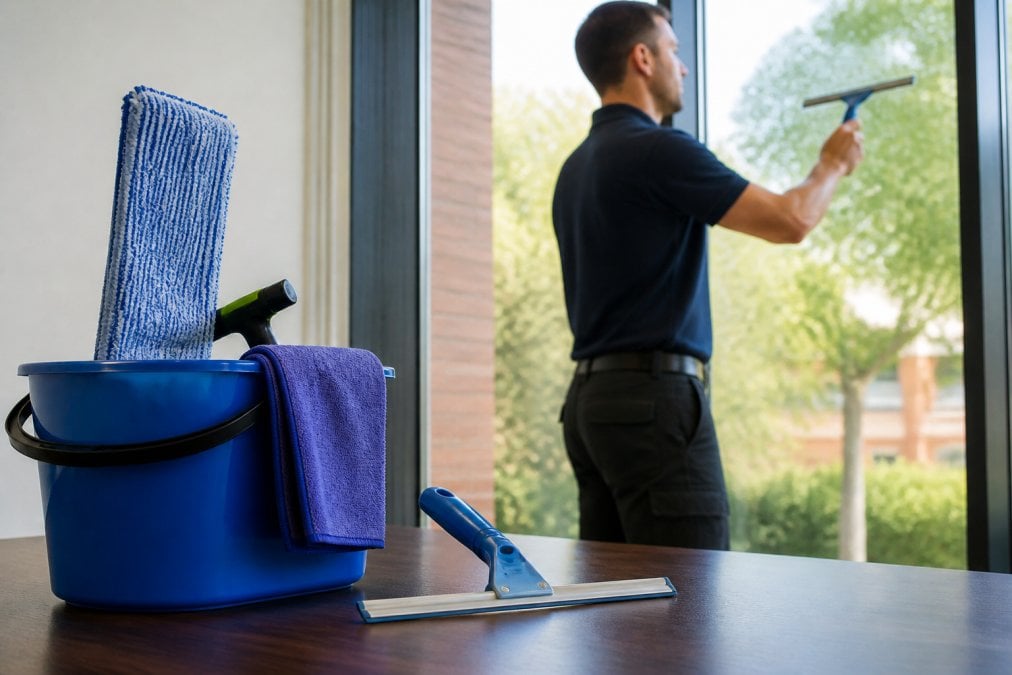
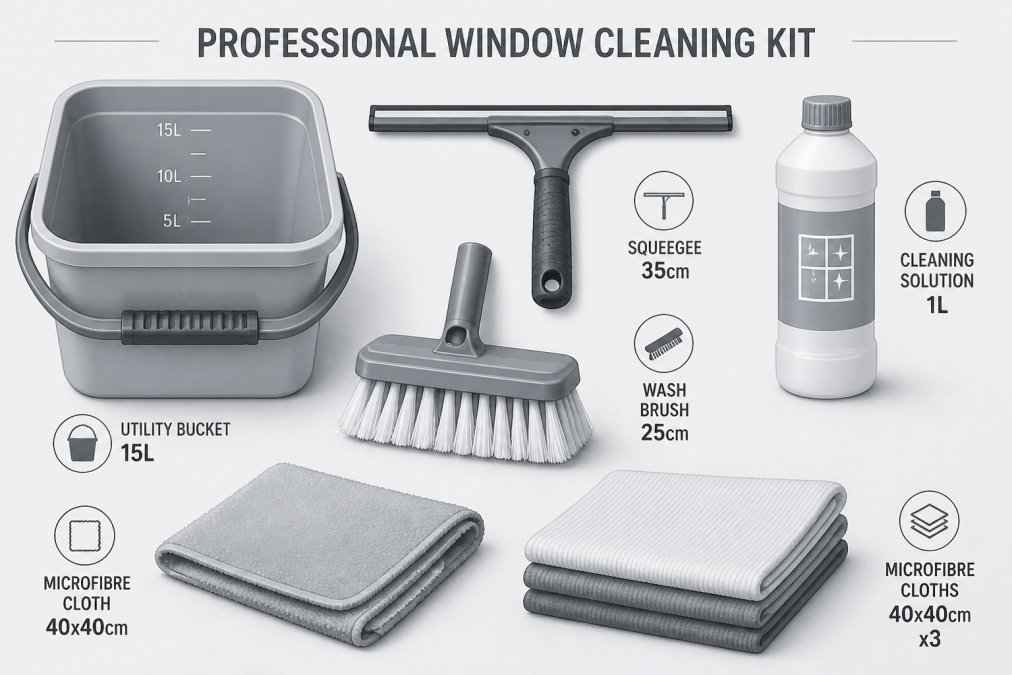
A functional window cleaning kit contains five core elements: a water container, an applicator (brush or sponge), a squeegee, a cleaning solution, and drying cloths. Each component serves a specific purpose, and cutting corners on any one of them creates visible problems. The bucket holds your diluted cleaning solution and keeps everything organised on site. The applicator distributes the solution evenly across the glass surface. The squeegee removes the wet solution in a single, controlled stroke. The solution breaks down oils, mineral deposits, and stubborn marks. The cloths catch drips and polish away any remaining moisture that would otherwise dry as streaks.
Many people assume that buying the cheapest bucket and cloths available will work fine. In practice, thin plastic buckets crack under regular use, poor-quality cloths leave lint and residue, and inadequate squeegees skip across glass unevenly, leaving wet patches. Professional results come from understanding how each component contributes to the final outcome.
Essential components every kit should include
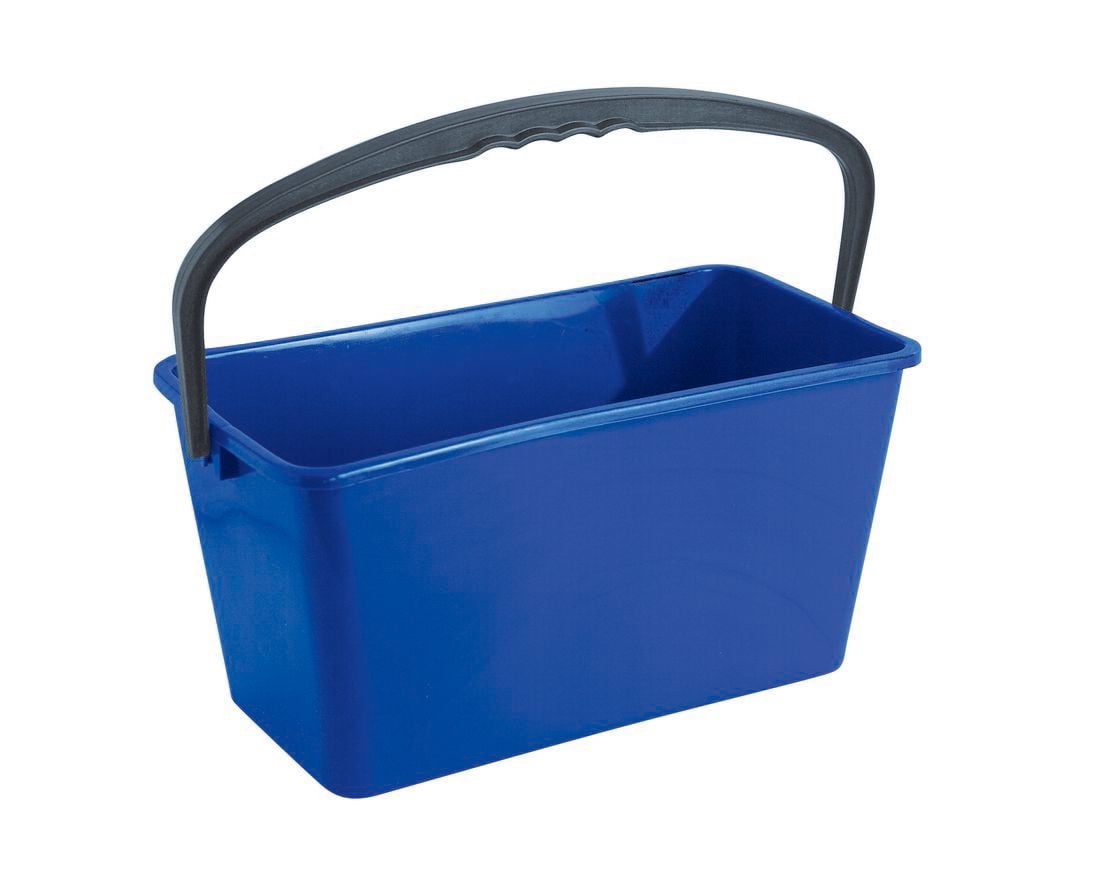
A sturdy bucket or water container forms the foundation of any window cleaning kit. The Discounted Cleaning Supplies 12-litre blue utility bucket is specifically designed for window cleaning work, with a rectangular shape that fits comfortably on windowsills and a reinforced handle that won’t snap under the weight of water and tools. The rectangular design matters: it’s more stable than round buckets and takes up less space when you’re working on ladders or scaffolding.
A quality brush or applicator spreads your cleaning solution across the glass surface. Window cleaning brushes come in natural bristle (better for delicate period windows) and synthetic fibre (more durable for regular commercial use). A good brush holds the solution without dripping excessively and applies even coverage.
A squeegee with a sharp blade is where most people notice the difference between amateur and professional results. The blade must be perfectly straight and sharp enough to cut through water cleanly without skipping or chattering. A dull or warped squeegee leaves wet lines and requires multiple passes.
A commercial-grade cleaning solution formulated for glass removes mineral deposits, hard water stains, and greasy residue far more effectively than diluted washing-up liquid. Professional solutions are pH-balanced to prevent streaking and are often concentrated, meaning you buy less volume and waste less packaging.
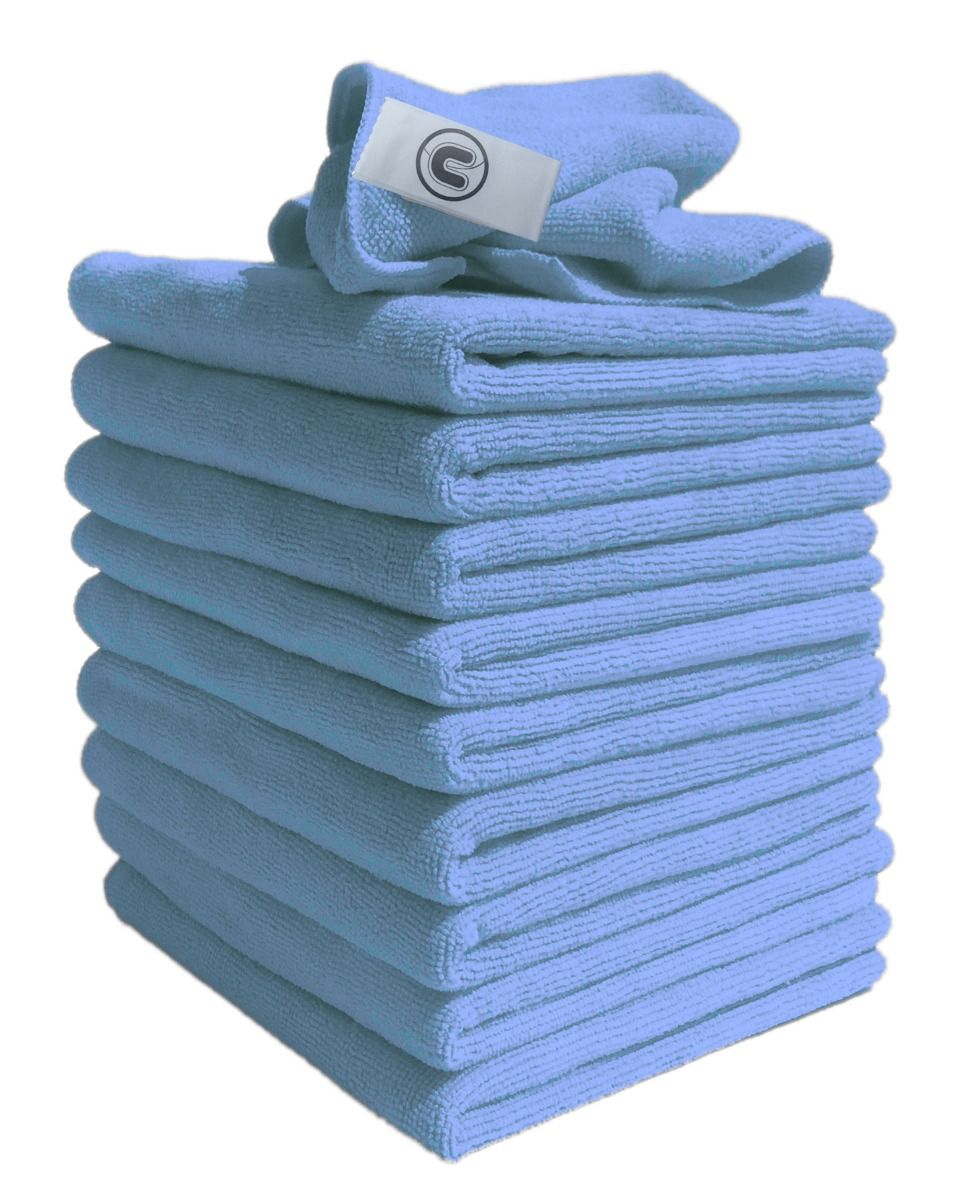
Microfibre cloths or lint-free cotton cloths for drying and polishing. Standard cotton tea towels or paper towels leave fibres and lint on glass. Microfibre cloths trap moisture without leaving residue, and they’re reusable, making them economical over time. The Discounted Cleaning Supplies blue microfibre cloths (40 x 40cm, 10-pack) are designed specifically for streak-free polishing on glass and other hard surfaces.
Professional Window Cleaning Equipment for Domestic and Commercial Use
Selecting equipment depends on the scale of your work and the types of windows you’re cleaning. A homeowner maintaining a modest semi-detached house needs a different kit from a facilities manager responsible for a large office building or a professional contractor managing multiple properties weekly.
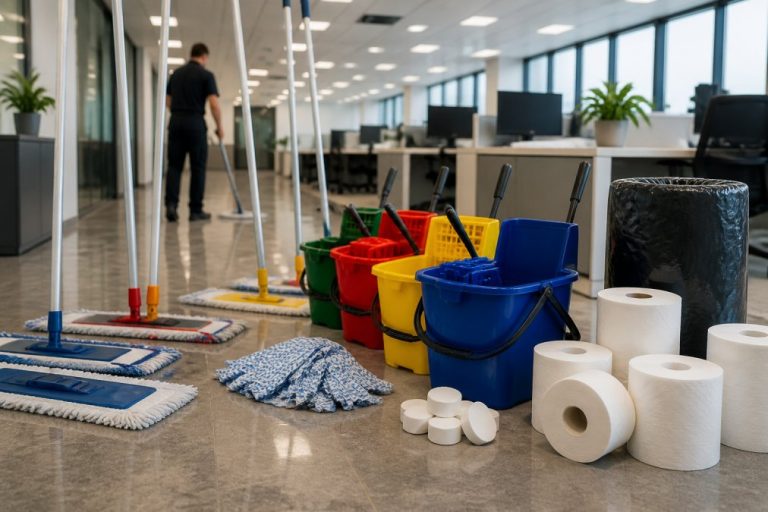
Buckets and water containers
Window cleaning buckets serve a practical function: they hold your solution, keep your tools organised, and sit stably on ledges or ground without tipping. The shape, size, and material all matter more than most people realise.
Rectangular buckets are superior to round ones for window cleaning work. They’re more stable on narrow windowsills, they stack more efficiently in vehicles, and they take up less floor space when you’re working in confined areas. The Discounted Cleaning Supplies 12-litre utility bucket is rectangular with a capacity that’s adequate for most domestic and small commercial jobs without being unwieldy to carry or position.
Plastic quality matters. Professional-grade buckets use reinforced ABS or polypropylene that resists cracking under impact or temperature change. The Discounted Cleaning Supplies bucket is manufactured from durable ABS plastic with a reinforced rim and handle, designed to withstand regular commercial use.
Brushes and applicators
The brush or applicator you choose determines how evenly your cleaning solution covers the glass. An uneven application creates streaks and requires additional passes with the squeegee, wasting time and solution.
Natural bristle brushes work well for older windows with delicate frames and period glass. They’re gentler than synthetic alternatives and less likely to scratch vulnerable surfaces.
Synthetic fibre brushes are more durable for high-frequency commercial use. They resist fraying, hold their shape through hundreds of cleaning cycles, and don’t absorb water excessively. For properties cleaned weekly or more often, synthetic brushes deliver better value and consistency.
Brush width should match your window size. A 20cm brush is suitable for small domestic windows. A 30cm brush covers larger commercial glazing more efficiently.
Best Window Squeegee UK: Choosing the Right Blade
The squeegee is the tool that defines your results. A quality squeegee blade removes water in a single, clean stroke, leaving glass dry and streak-free. A poor-quality blade skips, chatters, or leaves wet lines that dry as visible streaks.
Squeegee blade sizes and materials
Blade width should match your window dimensions. Standard options are 25cm (for small domestic windows), 35cm (for medium windows and general-purpose use), and 45cm or wider (for large commercial glazing). A wider blade covers more area per stroke, reducing the number of passes needed.
Blade material affects durability and performance. Professional squeegees use natural rubber or synthetic rubber compounds that remain flexible across temperature ranges. Natural rubber is traditional and highly effective but can perish if exposed to UV light or extreme temperatures. Synthetic rubber compounds are more durable and resist degradation better.
Blade thickness influences flexibility and longevity. Thinner blades (around 3-4mm) are more flexible and easier to control. Thicker blades (5-6mm) are more rigid and durable but require more skill to use without leaving marks. Professional contractors typically prefer medium thickness (4-5mm) as a balance between control and durability.
How blade quality affects streak-free cleaning
A sharp, straight blade removes water in a single continuous stroke, leaving glass completely dry. When the blade is dull, warped, or incorrectly fitted, water doesn’t separate cleanly, and you get wet patches that dry as visible streaks. A quality blade has a smooth, sharp edge. When you run your finger gently along the blade edge, it should feel uniform, with no dull spots or rough areas.
Professional squeegees deliver better results on every job and outlast budget alternatives multiple times over.
Water Fed Pole Window Cleaning Kit: When to Use This Method
Water-fed poles represent a different approach to window cleaning, particularly valuable for high windows, conservatory roofs, and situations where ladders or scaffolding would be unsafe or impractical.
How water-fed poles work
A water-fed pole system uses purified water delivered through a hose to a brush head at the end of a long pole (typically 4-6 metres, extendable to 10+ metres). The purified water combined with brush agitation loosens dirt and grime. Because the water is pure, it dries without leaving mineral deposits or streaks.
The setup requires three components: a water source, a purification system (filters that remove minerals and salts), and the pole with brush head. Water flows through the hose to the brush, where the operator works the brush across the glass surface. The dirty water runs down the window and is collected or drains away.
Advantages for high windows and hard-to-reach areas
Safety is the primary advantage. Cleaning a third-storey window with a traditional squeegee requires a ladder or scaffolding, which creates fall risks. A water-fed pole allows you to clean the same window safely from ground level, with no climbing involved.
Speed and efficiency for large areas. A water-fed pole system is faster than traditional methods for extensive glazing. You’re not moving ladders between windows or stopping to refill buckets. The continuous flow of pure water means fewer passes are needed, and the drying is automatic.
No squeegee marks or streaks. Because pure water dries without mineral residue, you get completely streak-free results without the skill required to use a squeegee perfectly.
For professional contractors or facilities managers responsible for large buildings, water-fed poles often pay for themselves within the first year through time savings and safety improvements.
Window Cleaning Solution UK: Selecting the Right Chemical
The cleaning solution you use determines how effectively you remove dirt, mineral deposits, and greasy residue. A poor solution leaves streaks, requires more passes with the squeegee, and can actually leave a film on the glass. A quality solution breaks down soiling efficiently and dries cleanly.
Concentrated vs ready-to-use solutions
Ready-to-use solutions come diluted and ready to pour into your bucket. They’re convenient and suitable for occasional domestic use. However, they’re inefficient for regular or commercial work because you’re paying for water weight and volume.
Concentrated solutions are diluted with water according to the manufacturer’s instructions (typically 1 part concentrate to 4-10 parts water, depending on the product and the soiling level). For professional use or regular domestic cleaning, concentrates are far more economical. You buy less volume, generate less packaging waste, and pay less per job.
Solutions for different window types and conditions
Hard water areas require solutions with sequestering agents that prevent mineral deposits from drying on glass. Specialist hard-water solutions contain agents that bind minerals, preventing them from crystallising on the glass surface.
Greasy residue from traffic pollution, cooking vapours, or industrial emissions requires solutions with surfactants and degreasers. Heavy-duty solutions contain stronger degreasers for these applications.
Period or delicate glass sometimes requires gentler solutions without aggressive chemicals. Mild solutions formulated for sensitive surfaces are available, though they’re less effective on heavily soiled windows.
Understanding your local water hardness and the type of soiling you’re dealing with helps you select a solution that will work effectively.
Comparing Window Cleaning Kit Types: Manual vs Powered
Manual window cleaning kits (bucket, brush, squeegee, cloths) represent the traditional approach and remain the standard for most domestic and commercial work. Powered equipment offers alternatives for specific applications, though they come with higher cost and maintenance requirements.
| Kit Type | Best For | Ongoing Maintenance | Learning Curve |
|---|---|---|---|
| Manual bucket kit | Small domestic, detail work, period windows | Minimal (blade replacement) | Very low |
| Water-fed pole system | High windows, large buildings, safety-critical work | Filter cartridge replacement, hose maintenance | Moderate |
| Powered window cleaner | Large commercial contracts, time-sensitive work | Motor servicing, pump maintenance, electrical safety | High |
| Hybrid (manual + water-fed) | Mixed applications, flexibility needed | Moderate | Moderate |
Manual kits for small-scale and domestic cleaning
Manual window cleaning remains the most popular method for domestic use and small commercial properties. A complete manual kit is affordable and requires no electricity, no complex maintenance, and no special training. You control every aspect of the cleaning process, which is valuable for detailed work around frames, muntins, and delicate surfaces.
Manual cleaning is also quieter, produces no emissions, and works in any weather condition. The trade-off is physical effort and time. Cleaning large areas manually requires more arm strength and takes longer than powered alternatives.
Powered equipment for commercial and large-scale work
Powered window cleaning equipment uses electric or petrol motors to drive brushes or deliver water under pressure. These systems are significantly faster than manual methods and reduce the physical effort required, making them valuable for large commercial contracts.
Pressure washers use high-pressure water jets to remove soiling. They’re effective for heavily contaminated surfaces and large areas but can damage delicate glass or frames if not used carefully. Most window cleaning contractors avoid pressure washers for windows themselves, preferring them for frames, sills, and surrounding surfaces.
Powered brush systems use rotating or oscillating brushes driven by electric motors. These systems are faster than manual brushes and require less physical effort. However, they’re less precise than manual work and can leave marks if not operated carefully.
Water-fed poles with powered delivery combine the reach of water-fed poles with motorised water delivery and brush action. These are the most common powered systems in professional window cleaning and are particularly valuable for high-rise buildings.
For small domestic applications, powered equipment is overkill and represents unnecessary expense.
Microfibre Cloths and Drying Materials: The Finishing Touch
The final stage of window cleaning, drying and polishing, is where many people compromise on quality, yet it’s where the visible result is determined. A window can be perfectly cleaned with solution and squeegee, but if you dry it with the wrong cloth, you’ll see lint, streaks, or residue.
Microfibre cloths are the professional standard for window drying. Microfibre is a synthetic material with fibres finer than human hair, which allows them to trap dust, moisture, and grease without leaving lint or residue. A quality microfibre cloth can be washed and reused hundreds of times, making them economical despite higher upfront cost than disposable alternatives.
The Discounted Cleaning Supplies blue microfibre cloths (40 x 40cm, 10-pack) are specifically designed for streak-free polishing on glass and hard surfaces.
Cotton glass cloths are a traditional alternative, particularly valued by catering and hospitality businesses where professional sparkle is important. The Robert Scott cotton glass cloths are lint-free and specifically formulated to give glass that professional shine. Cotton cloths can be machine-washed and reused, making them economical for regular use.
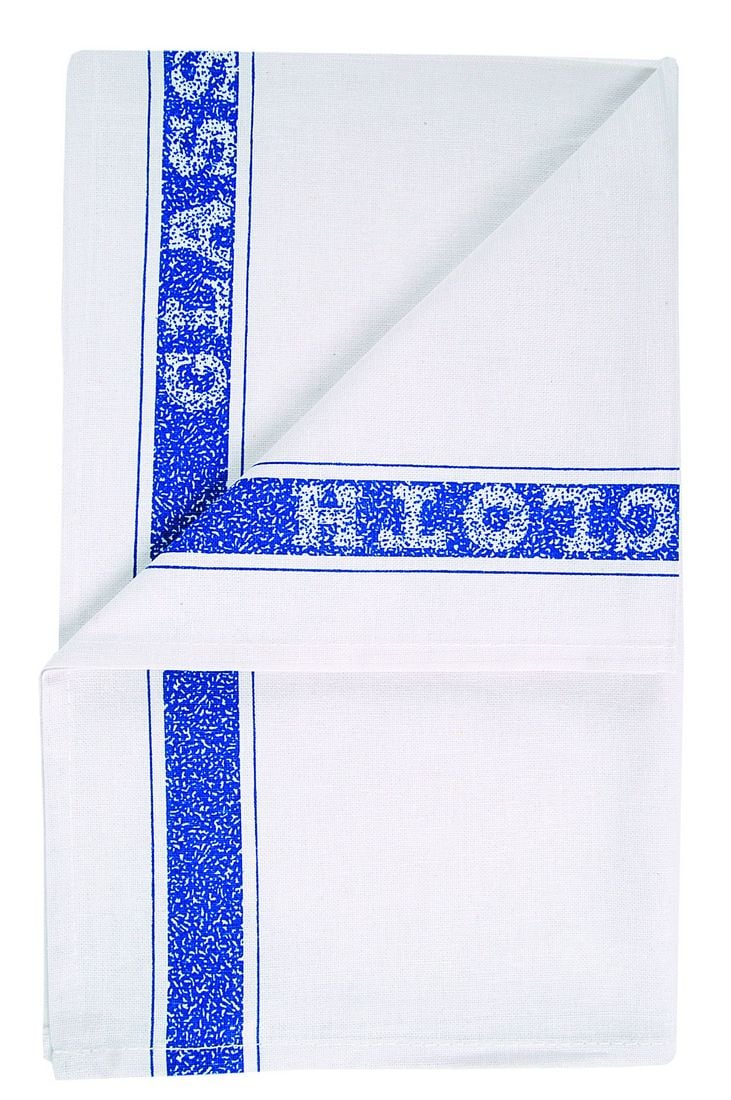
The difference between drying with a quality microfibre cloth and a standard cotton rag is immediately visible. Microfibre dries glass completely without streaks or residue.
Choosing the Right Window Cleaning Kit for Your Needs
Selecting the correct window cleaning kit depends on three factors: the scale of your work, the types of windows you’re cleaning, and your budget.
Domestic use vs commercial cleaning
Domestic use typically involves cleaning windows on a single property, perhaps 10-20 windows, once or twice per year. A basic manual kit, a 12-litre bucket, a brush, a 35cm squeegee, a concentrated cleaning solution, and a pack of microfibre cloths, is entirely adequate. The Discounted Cleaning Supplies 12-litre utility bucket, a quality squeegee, and the blue microfibre cloths form the core of an effective domestic kit.
Small commercial cleaning (cleaning 5-10 properties per week) benefits from a more robust setup. You might invest in a water-fed pole system if your properties include high windows or difficult-access areas, or you might expand to two complete manual kits so you can work faster by using separate solution and rinsing buckets. Discounted Cleaning Supplies stocks more than 8,000 cleaning products, so you can source everything you need from one supplier, and benefit from free UK delivery on all orders.
Large commercial operations (cleaning multiple large buildings daily) often use a combination of manual kits for detail work, water-fed poles for high windows, and possibly powered equipment for large flat glazing. A contractor managing a portfolio of office buildings, shopping centres, or industrial properties will have significant equipment investment but will recoup that investment within weeks through improved efficiency and the ability to take on larger contracts. For bulk and trade orders, Discounted Cleaning Supplies offers business credit accounts to support professional cleaners and facilities managers.
Budget considerations and value for money
Budget constraints often drive purchasing decisions, but false economy in window cleaning equipment is particularly costly. A cheap squeegee that wears out after three weeks of use is more expensive than a quality squeegee that lasts two years. A cheap bucket that cracks after six months costs more than a durable bucket purchased once.
The calculation should be total cost of ownership, not initial purchase price. A professional-quality squeegee lasts 10 times longer than a budget alternative and performs better on every job. For someone cleaning windows regularly, the professional option is far more economical.
For occasional domestic use, basic quality is adequate. However, even for occasional use, buying the cheapest option available is false economy. Mid-range equipment costs little more than budget alternatives and delivers noticeably better results.
For professional contractors, investing in quality equipment is non-negotiable. Your reputation depends on consistent, streak-free results. Poor equipment leads to customer complaints, repeat visits, and lost contracts.
Recommended Products
Discounted Cleaning Supplies 12-Litre Blue Utility Bucket – A professional-grade rectangular bucket designed specifically for window cleaning work. The ABS plastic construction resists cracking, the rectangular shape fits comfortably on windowsills and ladders, and the reinforced handle withstands regular commercial use. This is the foundation of any effective window cleaning kit.
Blue Professional Microfibre Cleaning Cloths 40x40cm 10-Pack – Reusable, streak-free microfibre cloths that deliver professional-quality drying and polishing. They’re economical for regular use, and they can be machine-washed and reused hundreds of times. These cloths eliminate the lint and residue left by standard cotton rags or paper towels.
Robert Scott Cotton Glass Cloth Pack of 10 – A traditional alternative to microfibre, specifically formulated to give glass that professional sparkle. These lint-free cotton cloths are machine-washable and favoured by catering and hospitality professionals. Ideal for situations where traditional cotton is preferred or for alternating with microfibre cloths.
These products form the core of a reliable, economical window cleaning kit suitable for domestic and small commercial use. Combined with a quality squeegee and appropriate cleaning solution, they deliver professional results consistently.
Frequently Asked Questions
What should be included in a basic window cleaning kit?
A basic window cleaning kit needs a bucket, squeegee, brush or applicator, microfibre cloths, and window cleaning solution. The bucket holds your solution and water; the brush applies the solution to the glass; the squeegee removes it in straight strokes; and microfibre cloths dry the edges and prevent streaks. Starting with these essentials gives you everything needed for streak-free results on most windows.
What is a water fed pole window cleaning kit and when should I use one?
A water-fed pole system uses purified water delivered through a telescopic pole to clean windows from ground level. It reaches high windows safely without ladders and works well for conservatory roofs and upper storeys. Water-fed poles are popular with commercial cleaners and facilities managers because they reduce safety risks and speed up large-scale cleaning work. For domestic use, they suit homes with multiple storeys or extensive glazing.
How do I choose the best window squeegee for streak-free cleaning?
The squeegee blade material and size matter most. Rubber blades (typically 10-18 inches wide) glide smoothly and leave no streaks when properly maintained. Check that the blade is straight and undamaged; a worn or nicked blade causes lines and streaks. For larger windows, wider squeegees cover more area in fewer passes. Professional-grade squeegees from quality manufacturers hold their edge longer and deliver better results than budget options.
What type of window cleaning solution works best in the UK?
Concentrated solutions offer better value because you dilute them to the strength you need. Ready-to-use solutions are convenient for small jobs. For hard water areas common in the UK, solutions with water softeners or additives prevent mineral deposits and streaking. Specialist solutions exist for different window types: frames, tinted glass, and heavily soiled windows. Always follow dilution instructions and check compatibility with your equipment.
Are professional window cleaning kits worth buying for home use?
Yes, if you clean windows regularly. Professional-grade kits last longer, perform better, and cost less per use over time than budget alternatives. Quality squeegees, durable buckets, and effective solutions deliver streak-free results consistently. For occasional cleaning, a basic kit suffices. For homes with many windows or conservatories, investing in professional equipment saves time and frustration.
This article was written using GrandRanker