Best Floor Cleaner for High Traffic Offices: Buying Guide
Table of Contents
- Types of Floor Cleaners for High Traffic Offices
- Comparison Table: Floor Cleaner Products for High Traffic Offices
- Best Floor Cleaners by Application and Floor Type
- Commercial Floor Cleaning Best Practices
- Commercial Floor Maintenance Schedule for High Traffic Areas
- Buying Guide: How to Choose the Right Floor Cleaner
- Recommended Products for High Traffic Office Floors
- Conclusion
Latest Update: August 3, 2026
Maintaining pristine floors in high-traffic offices is crucial for both aesthetics and hygiene. At Discounted Cleaning Supplies, we’ve helped thousands of UK businesses select the right products to maintain professional standards whilst protecting their investment in hard flooring. This guide will help you understand the nuances of different floor cleaners, their applications, and best practices for commercial floor maintenance.
Types of Floor Cleaners for High Traffic Offices
Different floor cleaners serve distinct purposes in high-traffic settings. The choice depends on hygiene requirements, floor material, and daily foot traffic volume.
Bactericidal and Disinfectant Cleaners
Bactericidal cleaners eliminate harmful microorganisms whilst removing soils. These are essential in healthcare facilities, food service areas, and offices where hygiene compliance is non-negotiable. They comply with European Suspension Test BS EN 1276, meaning they’ve been tested to kill a broad spectrum of bacteria effectively. Safety floors in hospitals and care homes benefit most from this approach, as the formula won’t damage the specialist coating whilst delivering disinfection.
Bactericidal cleaners work best when diluted correctly. Over-diluting reduces effectiveness; under-diluting wastes product and can leave visible residue. Always follow the manufacturer’s dilution guidance.
Neutral pH Floor Cleaners
Neutral pH cleaners (around 7 on the pH scale) clean effectively without dulling or damaging floor finishes. They’re the safest choice when you have mixed floor types or want to preserve the appearance of existing polishes. They remove soils and greasy marks without stripping protective coatings, particularly valuable in offices with marble, polished tile, or vinyl where maintaining shine matters as much as cleanliness.
Neutral cleaners work with auto scrubbers and traditional mop-and-bucket systems equally well.
Perfumed and Scent-Based Cleaners
Perfumed cleaners combine cleaning action with fragrance that neutralises odours rather than masking them. They’re popular in reception areas, corridors, and public-facing spaces where impression matters. These cleaners work well on marble and stone with both polished and natural finishes. However, they’re less effective as disinfectants than bactericidal alternatives, so they suit general cleaning rather than high-hygiene environments.
Gel and Detergent-Based Cleaners
Gel cleaners contain surfactants and detergents that lift greasy soils and scuff marks. They’re particularly effective on vinyl, leather, and linoleum where traditional mops struggle with stubborn grime. The gel consistency clings to floors longer, allowing more contact time for soil removal. Gel cleaners suit washroom floors and shower areas where moisture and soap residue accumulate.
Comparison Table: Floor Cleaner Products for High Traffic Offices
| Cleaner Type | Best For | Key Benefit | Primary Limitation |
|---|---|---|---|
| Bactericidal/Disinfectant | Healthcare, food service, high-hygiene areas | Kills 99.9% of bacteria; ongoing protection | Higher cost; may leave residue if over-diluted |
| Neutral pH | Mixed floor types; marble and stone | Preserves shine; safe for all finishes | Less effective on heavy grease and oils |
| Perfumed/Scent-Based | Reception areas, corridors, public spaces | Neutralises odours; improves impression | Limited disinfection; scent fades quickly in high traffic |
| Gel/Detergent-Based | Vinyl, linoleum, washrooms; greasy soils | Excellent on stubborn marks and films | Requires careful dilution; can leave sticky residue |
Best Floor Cleaners by Application and Floor Type
Selecting the right cleaner depends on what your floors are made from and what soils they encounter daily.
For Vinyl, Laminate and Safety Floors
Vinyl and laminate floors are common in modern offices because they’re durable and cost-effective. However, they scratch easily and can dull if exposed to harsh chemicals. For these surfaces, neutral pH cleaners are the safest starting point. They clean without stripping the protective layer that gives these floors their appearance.
Safety floors, the specialist non-slip surfaces used in hospitals and food facilities, need bactericidal cleaners specifically formulated not to damage the coating. Daily maintenance works best with a damp mop rather than wet cleaning. Use diluted neutral cleaner, wring the mop thoroughly, and allow floors to air dry.
For Marble and Stone Surfaces
Marble and stone are elegant but porous and vulnerable to acidic cleaners that etch the surface. Perfumed and neutral pH cleaners suit marble and stone well. Avoid any cleaner containing vinegar, lemon juice, or citric acid, as these will damage the stone.
For General Hard Floors
General hard floors, ceramic tile, concrete, sealed wood, are forgiving and work with most cleaner types. For routine daily cleaning, a neutral pH cleaner handles dust and light soils efficiently. For weekly deep cleans where grease and stubborn marks appear, a gel-based cleaner or light bactericidal formula works better.
Commercial Floor Cleaning Best Practices
Knowing which cleaner to buy is only half the solution. Application method, dilution, and equipment choice determine whether you get the results you’re paying for.
Dilution and Application Rates
Most concentrated floor cleaners recommend dilution ratios between 1:10 and 1:20 (cleaner to water). This varies by product and soil level. Light daily maintenance uses weaker dilution; heavy weekly cleans use stronger concentration. Always read the label before mixing.
Temperature matters too. Warm water activates cleaning agents faster, improving soil removal. In winter or unheated areas, slightly warmer water (around 40°C) improves results without damaging floors.
Measure dilution carefully. A 25-litre mop bucket with a 1:10 ratio needs 2.5 litres of cleaner and 22.5 litres of water. Guessing leads to inconsistent results and wasted product.
Never mix different cleaners together. Combining a bactericidal cleaner with an acid-based product can create toxic fumes. Always rinse equipment thoroughly between different cleaner types.
Equipment and Tools for Efficient Cleaning
The best cleaner won’t deliver results if your equipment is worn or unsuitable for the job. Investing in quality tools pays for itself through faster cleaning and better results.
For mop-and-bucket cleaning, use a Kentucky mop head with good absorbency. Quality construction resists fraying and maintains absorbency through multiple washes. A proper mop bucket with a wringer is essential. The Abbey Kentucky Mop Bucket Kit includes a 25-litre capacity bucket with integral wringer, frame, and mop heads, everything needed for efficient manual cleaning.
Dry sweeping before wet cleaning removes dust and debris, improving cleaner effectiveness. A dust beater or V-sweeper collects fine particles efficiently without aerating dust into the air.
Safety and Compliance Considerations
Floor cleaning chemicals are hazardous substances governed by UK regulations. Proper handling protects staff and ensures compliance.
The Control of Substances Hazardous to Health (COSHH) Regulations 2002 require risk assessments for all cleaning products used in the workplace. Safety data sheets (SDS) accompany all professional cleaners and must be accessible to staff.
Personal protective equipment (PPE) depends on the product. Most floor cleaners require gloves and eye protection as minimum. Always follow the SDS recommendations.
Wet floor signs are legally required when floors are wet. The Abbey Yellow Wet Floor Sign provides a visible warning that reduces slip-and-fall liability. Place signs before cleaning and remove them once floors dry.
Staff training matters. Ensure all cleaning operatives understand dilution ratios, safe handling, equipment operation, and emergency procedures.
Commercial Floor Maintenance Schedule for High Traffic Areas
A structured cleaning schedule prevents buildup and maintains professional appearance consistently.
Daily Cleaning Routines
High-traffic areas need daily attention. Morning sweeping removes overnight dust and debris, preventing soil being ground into floors by morning foot traffic.
Spot cleaning during the day addresses spills and visible marks. A mop and bucket with diluted neutral cleaner handles most situations. Evening cleaning after staff leave allows proper wet cleaning without disrupting work. A mop-and-bucket clean of high-traffic areas takes 30-45 minutes and should use slightly stronger cleaner concentration than morning maintenance.
Weekly Deep Clean Requirements
Once weekly, high-traffic areas need thorough cleaning that removes ingrained soils and refreshes appearance. A deep clean uses a stronger cleaner concentration and longer contact time. Allow the cleaner to sit on the floor for 5-10 minutes, giving it time to break down stubborn soils.
For areas with heavy grease (near kitchens or food service), a gel-based cleaner works better than neutral formula alone. Machine scrubbing once weekly improves results significantly.
Monthly and Quarterly Maintenance
Mop head replacement happens monthly for high-traffic areas. Even quality mop heads wear out, and worn heads leave fibres and clean less effectively.
Equipment maintenance prevents breakdowns. Mop buckets should be inspected for cracks; wringers should be checked for damage; machine scrubbers should have batteries tested and brushes inspected.
Buying Guide: How to Choose the Right Floor Cleaner
Selecting the best floor cleaner for high traffic offices involves assessing several factors systematically.
Assess Your Floor Type and Condition
Start by identifying what your floors are made from. Walk your premises and note the different surfaces, reception might be marble, corridors vinyl, washrooms ceramic tile. Each material has different tolerances and cleaning requirements.
Existing condition matters too. Floors with visible buildup need stronger cleaners initially; well-maintained floors need gentler products.
Consider Traffic Volume and Soil Type
High-traffic offices accumulate different soils than low-traffic spaces. Reception areas see outdoor soils brought in on shoes. Corridors see dust and scuff marks. Washrooms see moisture and soap residue.
Soil type determines cleaner choice. Outdoor soils are mostly mineral-based and respond well to neutral cleaners. Greasy soils need detergent-based cleaners. Biological soils need bactericidal cleaners.
Traffic volume determines cleaning frequency. A reception area with 200+ people daily needs cleaning twice daily. A corridor with moderate traffic needs once-daily cleaning.
Evaluate Cleaning Method and Equipment
Manual mop-and-bucket cleaning suits small areas and spot cleaning. It’s flexible and requires minimal investment but is labour-intensive for large spaces.
Machine cleaning (scrubber dryers) suits areas over 300 square metres. Initial equipment cost is higher, but labour savings and improved consistency justify the investment.
Cost Efficiency and Value for Money
The cheapest cleaner often costs more in the long run. Weak products require higher dilution rates or more frequent application. Quality products deliver results at proper dilution.
Calculate cost per clean rather than cost per litre. Bulk purchasing through Discounted Cleaning Supplies offers significant savings. Ordering a year’s supply of floor cleaner at trade prices costs substantially less than weekly small purchases. Free UK delivery on all orders removes the cost barrier to bulk buying.
Recommended Products
For routine cleaning of mixed floor types, the Colour Coded Socket Mop Kit provides a professional three-section aluminium handle, colour-coded grip, and two CHSA-approved socket mop heads. The colour-coded system prevents cross-contamination between areas.
For daily high-traffic maintenance, the Abbey Kentucky Mop Bucket Kit combines a 25-litre bucket, wringer, three-section handle, and two 450g mop heads. This is the complete solution for manual cleaning of offices up to 1,000 square metres.
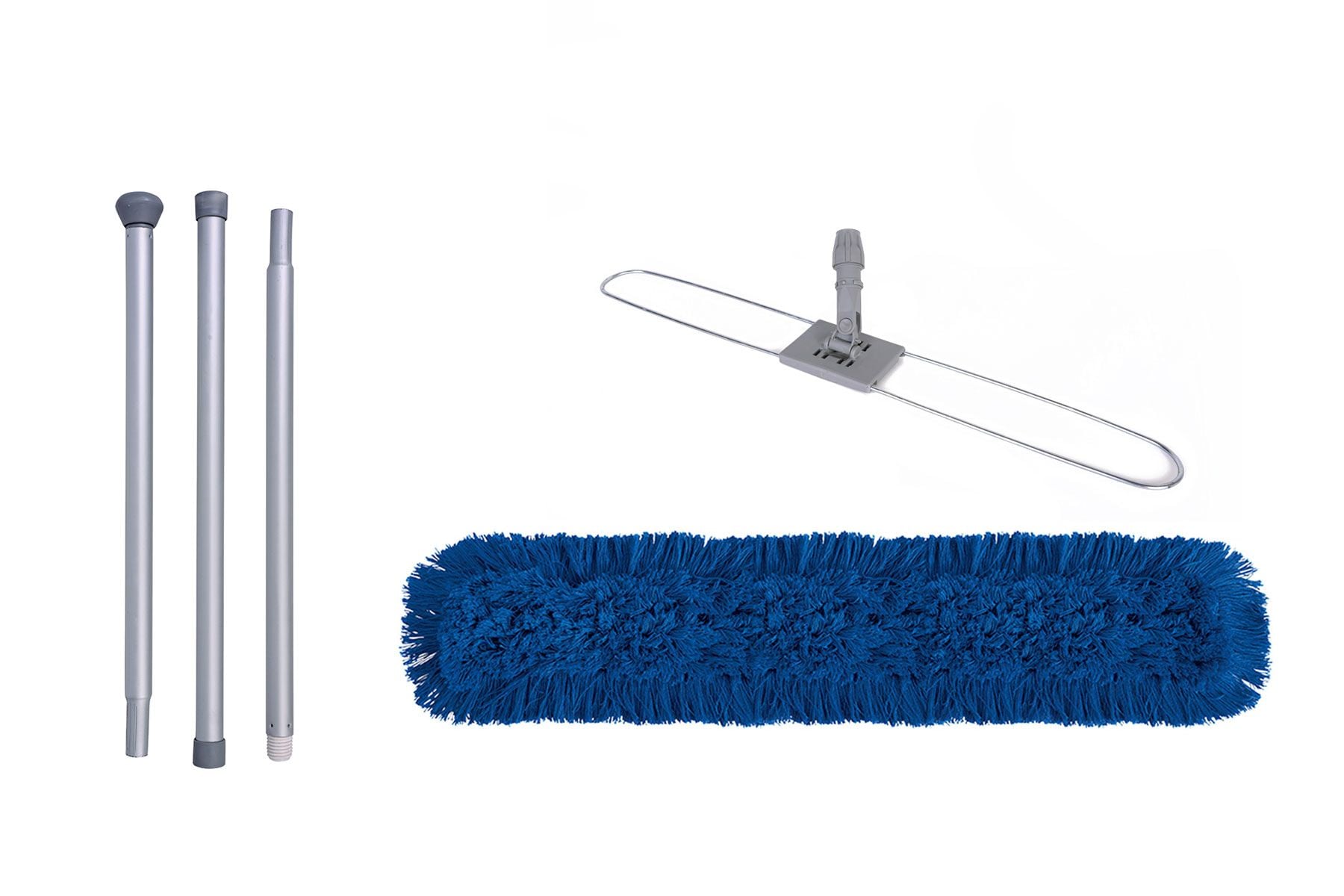
For dry sweeping before wet cleaning, the Abbey Blue V Sweeper Complete Kit offers a 100cm scissor mop design that covers large floor areas quickly. The V-shaped design and static-trapping acrylic heads collect dust and fine debris efficiently.
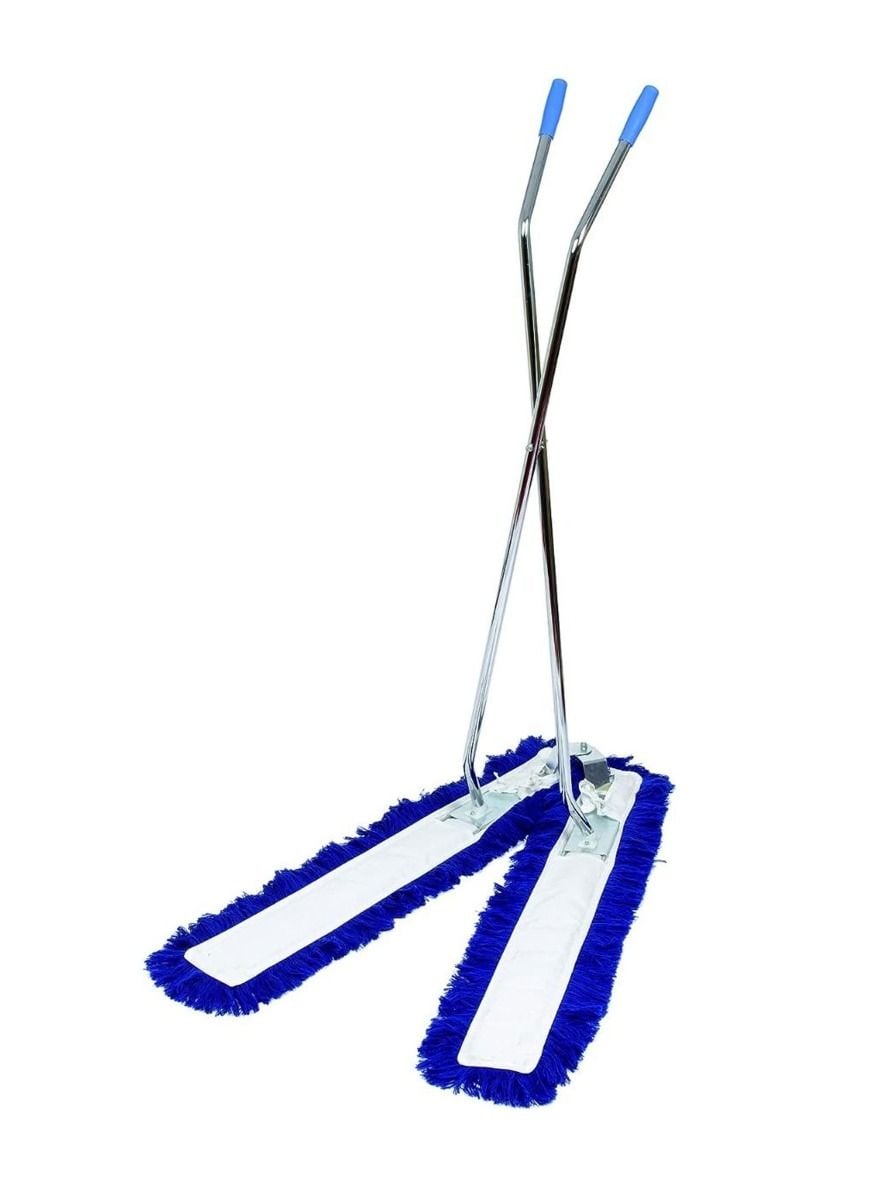
For compact areas or spot cleaning, the Abbey Dust Beater Floor Sweeper provides a 60cm sweeper with handle and head, ideal for reception areas and corridors.
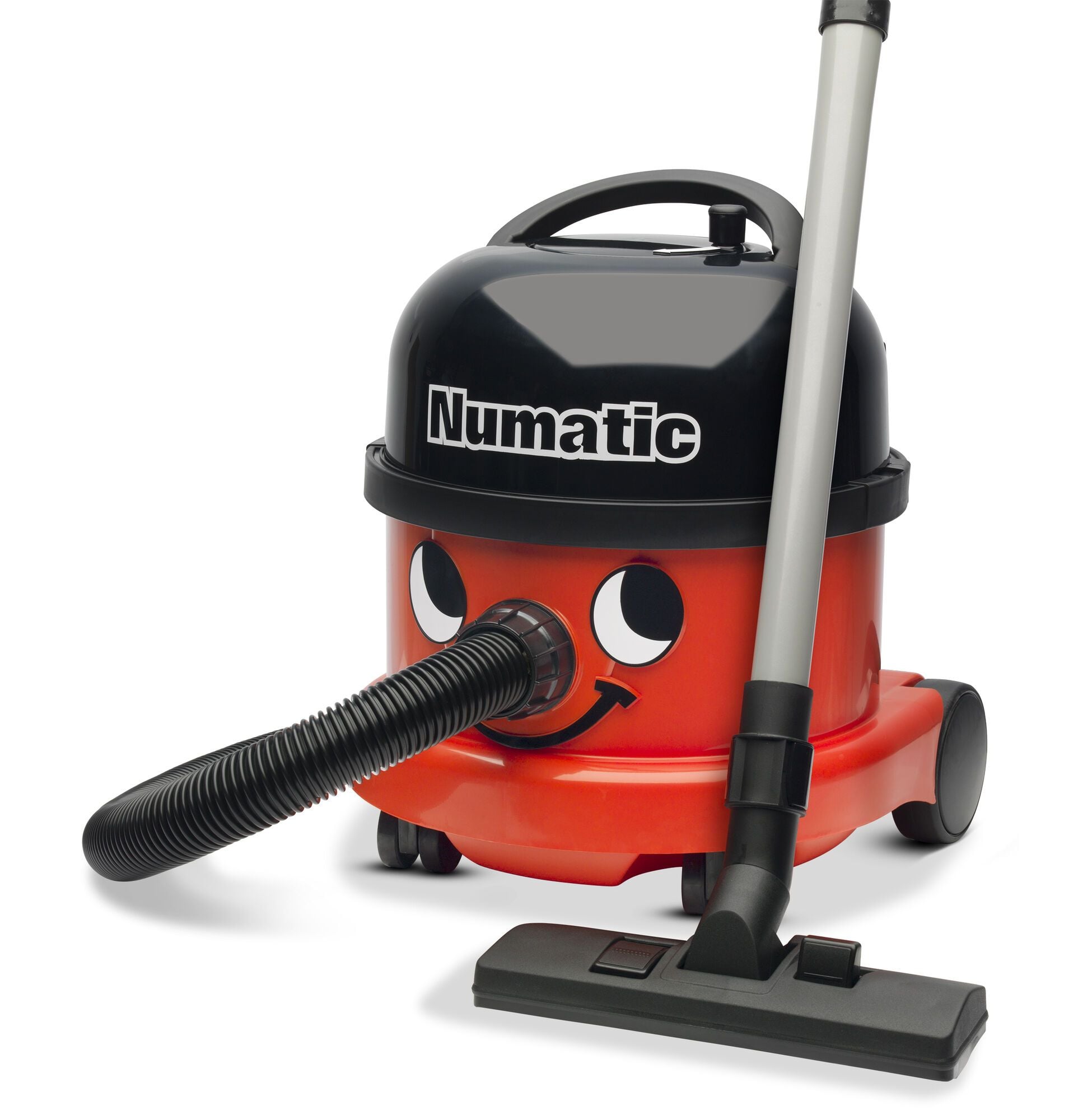
For mechanical cleaning of large areas, the NRV240-11 Commercial Henry Dry Vac provides powerful suction for debris removal before wet cleaning. The 9-litre capacity and commercial-grade construction handle daily high-traffic use.
For wet floor safety compliance, the Abbey Yellow Wet Floor Sign provides a double-sided sign that flips between "Wet Floor" and "Cleaning in Progress", essential for liability protection during maintenance.
All products are stocked in the UK with free delivery on all orders. Discounted Cleaning Supplies also offers 30-day business credit accounts for facilities managers and commercial cleaning companies, making bulk purchasing and regular restocking straightforward.
Maintaining professional standards in high-traffic offices requires the right cleaner matched to your floor type and soil levels, combined with proper equipment and a structured maintenance schedule. Discounted Cleaning Supplies stocks everything needed, from professional-grade cleaners and mop systems to safety signs and equipment, backed by fast UK delivery and knowledgeable support. Start by assessing your floor type and traffic volume, select an appropriate cleaner from the product range, and establish a routine that keeps your premises clean, safe, and compliant. Browse the full range of commercial cleaning supplies at Discounted Cleaning Supplies and get started with a bulk order at trade pricing today.
Frequently Asked Questions
What is the best floor cleaner for high traffic offices with mixed floor types?
A neutral pH floor cleaner works well across most hard surfaces without damaging finishes. If your office has both vinyl and stone areas, choose a product suitable for the most delicate surface type. For offices needing disinfection alongside cleaning, bactericidal cleaners offer dual benefit. Always test on a small inconspicuous area first to confirm compatibility with your specific flooring.
How often should you deep clean high-traffic office floors according to commercial floor maintenance schedule guidelines?
High-traffic office areas typically require daily light cleaning (sweeping, mopping) and weekly deep cleaning with appropriate floor cleaner. Reception areas and corridors may need daily deep cleans depending on footfall. Monthly machine scrubbing or specialist treatment helps maintain floor condition and appearance. Adjust frequency based on visible soiling and traffic patterns in your specific office space.
Are concentrated floor cleaners better value than ready-to-use products for offices?
Concentrated cleaners offer better long-term value for offices with large floor areas, as you control dilution rates and can adjust strength for different tasks. Ready-to-use options suit smaller offices or occasional cleaning needs. Calculate cost per square metre cleaned rather than comparing bottle prices. Concentrated products require proper storage and handling but typically deliver lower cost per application.
Which floor cleaner removes scuff marks and marks from high traffic office areas?
Gel-based cleaners and detergent formulations like lemon-scented floor gels work effectively on scuff marks and light soiling. For stubborn marks on vinyl or laminate, apply the cleaner undiluted to the affected area, let it sit briefly, then scrub gently. Neutral pH cleaners prevent damage to floor finishes while removing marks. Always test on hidden areas first, as some products may require buffing after application.
What commercial floor cleaning best practices prevent damage to office flooring?
Always follow manufacturer dilution recommendations and test products on inconspicuous areas first. Use appropriate equipment for your floor type (mop and bucket for delicate finishes, scrubber dryers for durable surfaces). Avoid excessive water pooling, which can damage vinyl and laminate. Remove spills promptly, use colour-coded mops to prevent cross-contamination, and ensure adequate ventilation during cleaning. Follow the maintenance schedule suited to your traffic volume.
This article was written using GrandRanker